

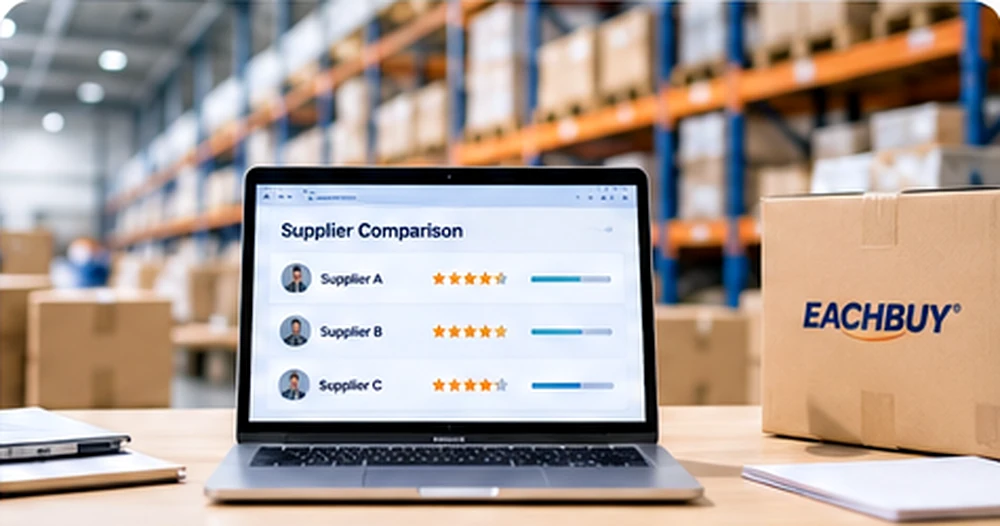
A reliable China sourcing agent should do more than send supplier links. Evaluate whether the partner can understand your product brief, identify relevant manufacturers, compare quotations on the same specification, coordinate samples, make quality checkpoints visible and manage clear handoffs through shipment.
Key takeaways
- Start with a written product brief so every supplier is quoting the same requirement.
- Check category understanding and the evidence behind supplier recommendations.
- Compare total project cost, not only unit price.
- Agree who owns samples, tooling, inspections, shipping tasks and corrective actions.
- Keep product approvals and changes in writing.
1. Define the product before you compare sourcing partners
Before contacting agents, write down what you want to make. Include reference photos or links, intended use, target customer, destination market, key functions, dimensions, material preferences, packaging expectations and an estimated order range. If a detail is not final, mark it as an open question rather than leaving suppliers to make different assumptions.
For Amazon FBA products, add the selling marketplace, product category, expected unit packaging, labeling responsibilities and delivery destination if known. Preparation and shipment instructions can vary by item and marketplace, so check the current Seller Central requirements before goods are packed.
2. Evaluate the sourcing partner across six dimensions
| Dimension | What to ask | Evidence to request |
|---|---|---|
| Category fit | Have you handled similar product types or production processes? | Relevant examples, technical questions and a clear explanation of constraints. |
| Supplier screening | How are factories identified and compared? | Legal entity details, facility information, product fit and screening notes. |
| Quotation quality | Are all offers based on the same specification? | Itemized quote, MOQ, tooling, packaging, lead time and exclusions. |
| Sample coordination | Who tracks revisions and approvals? | Sample log, comments, version numbers and approval record. |
| Quality process | What is checked and at which production stage? | Inspection criteria, issue report format and corrective-action follow-up. |
| Communication | Who is responsible for decisions and updates? | Named contacts, response expectations and written project updates. |
3. Ask how the commercial relationship works
Do not assume every company calling itself an “agent” operates in the same way. Ask whether the supplier invoices you directly, whether the intermediary buys and resells goods, how service fees or markups are calculated, who holds the purchase order and who is responsible if a specification is not met. The right arrangement depends on the project, but it should be clear before money changes hands.
- Who is the contracting seller on the purchase order?
- Who receives each payment and in which legal entity’s name?
- Are sourcing fees, commissions, inspection costs and freight charges separated?
- Who owns custom drawings, tooling and approved samples?
- What happens if a factory misses a milestone or a batch fails inspection?
4. Run a small, evidence-based first project
For a new relationship, start with a defined task: supplier research, one sample round, a quotation comparison or an inspection plan. Agree on deliverables and acceptance criteria. A small, well-defined first engagement is often more informative than a broad promise covering every stage of the supply chain.
When samples arrive, compare them against the brief. Record dimensions, materials, finish, function, packaging and deviations. Keep photos and written notes. If you approve a sample, identify it clearly as the reference version and document later changes.
5. Watch for warning signs
- A quote arrives without clarifying product requirements.
- The partner refuses to explain the supplier relationship or commercial model.
- Payment beneficiary details do not match the contracting party and are not explained.
- Quality is described only as “100% guaranteed” without inspection criteria or records.
- Changes are handled only in chat and never reflected in an updated specification.
- Delivery promises are made before packaging, quantity, destination and shipping method are known.
A practical evaluation checklist
Mark each item as confirmed, needs evidence or not applicable: product-category understanding; documented supplier screening; quote comparability; sample and revision control; agreed quality checkpoints; clear payment and contract flow; transparent shipping responsibilities; and an identified project contact. This checklist is a planning aid, not a substitute for legal, technical or regulatory due diligence.
How EACHBUY can fit into the process
EACHBUY’s website describes support across product development, OEM/ODM coordination, China factory sourcing, quality follow-up and supply-chain logistics for Amazon and Shopify/DTC businesses. A useful first step is to share a product brief, target market, expected quantity and current project stage. The scope can then be discussed before supplier work begins.
Explore EACHBUY services or start a sourcing project.
Frequently asked questions
Is the cheapest sourcing agent the best choice?
Not necessarily. A lower service fee does not show whether supplier screening, specification control, sample follow-up or quality coordination are included. Compare scope and accountability alongside price.
Should an Amazon seller work directly with a factory?
Some sellers do. A sourcing partner may be useful when you need help identifying factories, clarifying specifications, comparing options or coordinating communication. The right model depends on your internal team and project complexity.
Can a sourcing agent guarantee product quality?
No partner should promise that one inspection eliminates all risk. Quality depends on specifications, materials, process control, sampling, testing, production consistency and corrective actions.