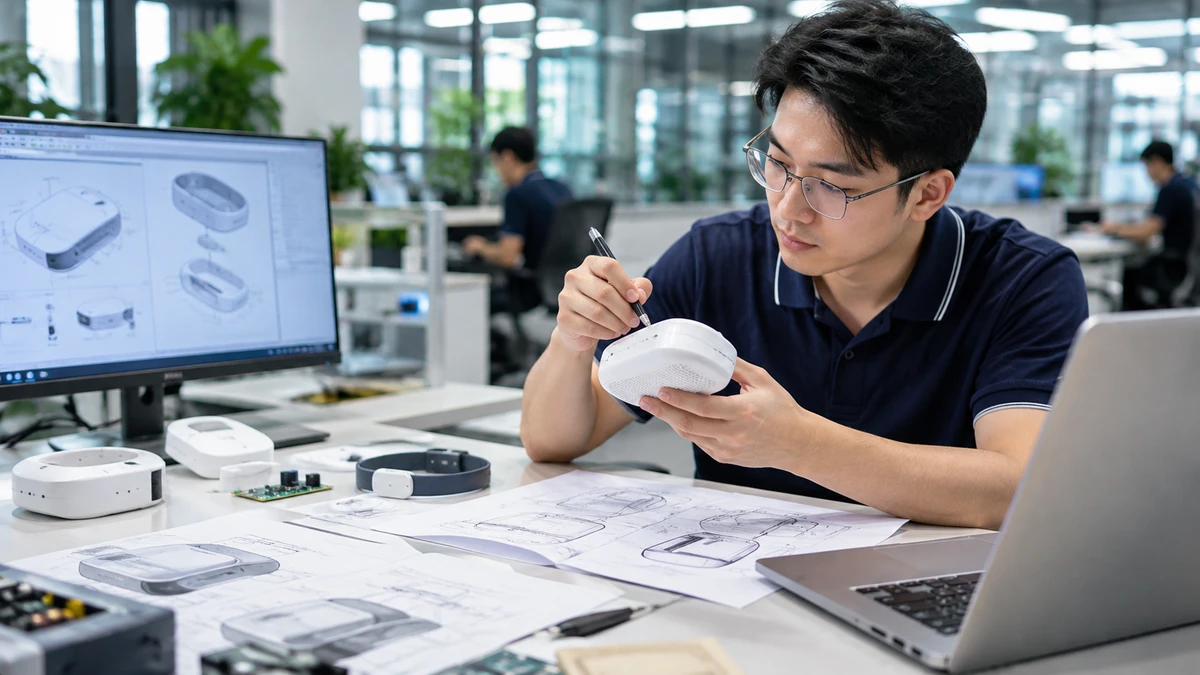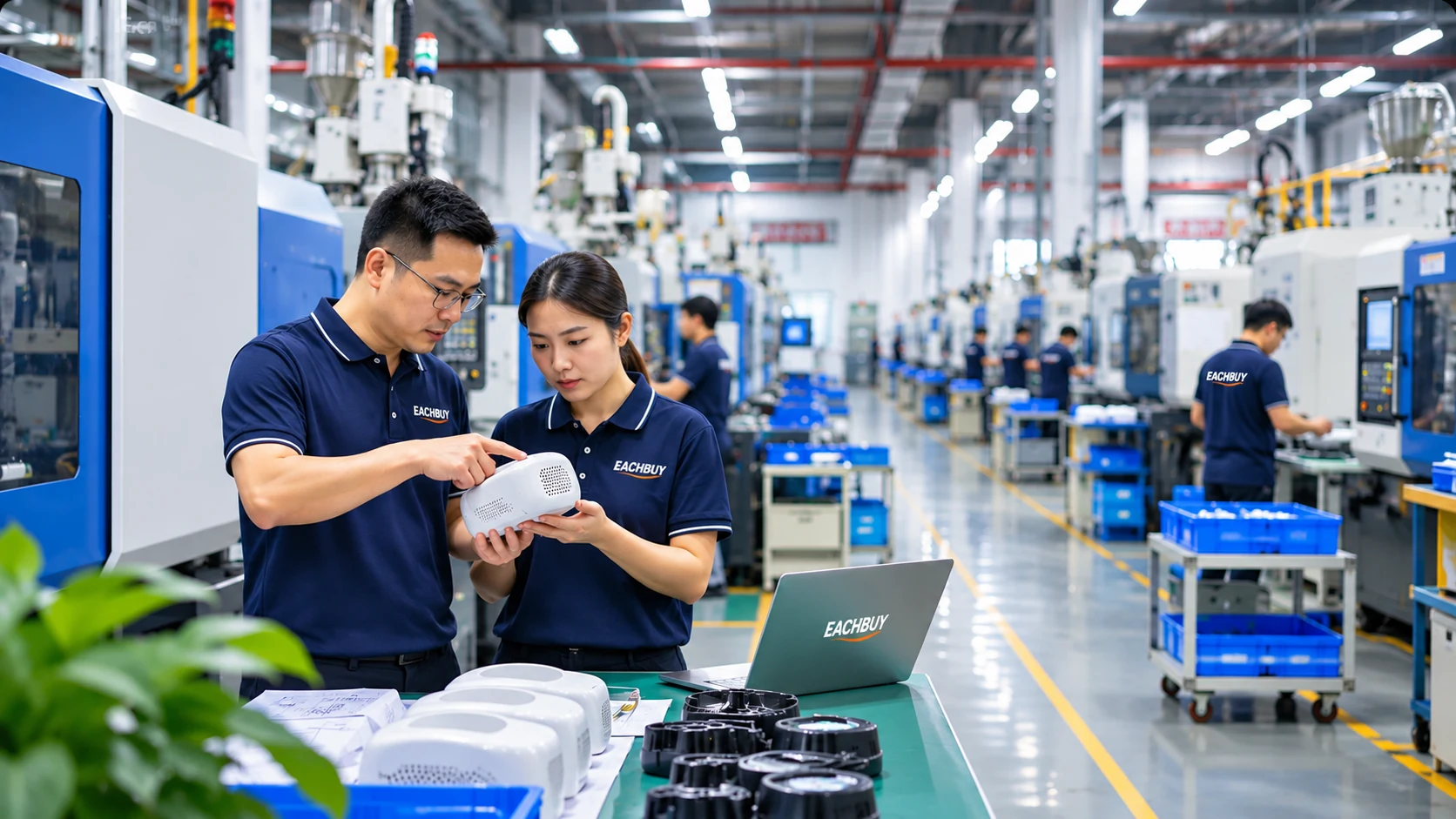
OEM generally describes manufacturing to a buyer’s design or specification, while ODM generally involves adapting or branding a manufacturer’s existing design or platform. In practice, the boundary can be mixed. Ask exactly what can be customized, what already exists, who owns each design element and what the supplier will manufacture for other buyers.
What is OEM manufacturing?
In an OEM-style project, the buyer usually provides more of the product definition: requirements, drawings, design files, key components, performance targets or a reference sample. The manufacturer produces according to the agreed specification. The buyer may still rely on the factory for design-for-manufacturability suggestions, engineering changes and production know-how.
OEM can fit a brand that wants a distinctive product or already has design assets. It requires specification control and a clear agreement on intellectual property, tooling and engineering changes.
What is ODM manufacturing?
In an ODM-style project, the manufacturer may offer an existing design, product platform or developed solution that can be adapted. The buyer may customize color, logo, packaging, selected features or components. ODM can reduce the amount of original engineering required, but the buyer should understand how many other brands can use the base design and which elements are exclusive.
OEM vs ODM: comparison points
| Decision area | OEM-oriented project | ODM-oriented project |
|---|---|---|
| Starting point | Buyer specification or design | Existing supplier design or platform |
| Customization | Potentially broader, subject to engineering and cost | Usually based on available options and agreed modifications |
| Development work | Often more buyer-led design and validation | Often more adaptation and selection |
| Differentiation | Can support uniqueness if the design is truly distinctive | May need extra feature, material or packaging differentiation |
| IP questions | Who owns drawings, tooling, firmware and improvements? | Who owns the base design, and what rights cover modifications? |
| Commercial questions | Tooling, engineering, component and production costs | Customization fee, MOQ, platform restrictions and exclusivity |
How to choose the right route
Choose an OEM-oriented approach when:
- You have a clear design, specification or distinctive product concept.
- You need control over important functions, dimensions or components.
- You are prepared to manage engineering revisions and sample approvals.
- You want to negotiate ownership and use rights for custom development.
Consider an ODM-oriented approach when:
- You want to enter a category using an existing platform.
- Differentiation can be achieved through selected features, materials, branding or packaging.
- You want to evaluate supplier-ready designs before funding extensive custom engineering.
- You can confirm what is standard, customizable and shared with other buyers.
Questions to put in the quotation request
- Which parts of the product are existing designs and which will be customized?
- Can the supplier show the bill of materials and identify proprietary components?
- Who owns the drawings, molds, tooling, firmware and new improvements?
- Can the same base product be sold to other buyers or competitors?
- What are the MOQ and cost implications for each customization?
- How will approved samples and engineering changes be controlled?
Do not choose by label alone
Some suppliers use OEM and ODM differently in their marketing. Ask them to describe the actual workflow, supply the proposed specification and identify which design elements you can control. The contract should describe deliverables and ownership in plain language. If a product contains software, radio functions, batteries, safety features or regulated materials, identify the relevant specialist review before committing to mass production.
EACHBUY’s product-development and OEM/ODM coordination can be discussed according to the product brief and level of customization required. Explore OEM / ODM support or share your project brief.
Frequently asked questions
Is ODM always cheaper than OEM?
Not always. An existing platform may reduce some design work, but MOQ, customization, tooling, testing, packaging and commercial terms still affect total cost.
Can I make an ODM product exclusive?
That depends on the supplier’s rights, contract terms and what is actually being made exclusive. Define the territory, product features, duration, customer segment and minimum commitments in writing.
Can an OEM product later become an ODM platform?
A manufacturer may propose reusing parts of a design, but this depends on ownership and contract terms. Define restrictions on reuse before development begins.