
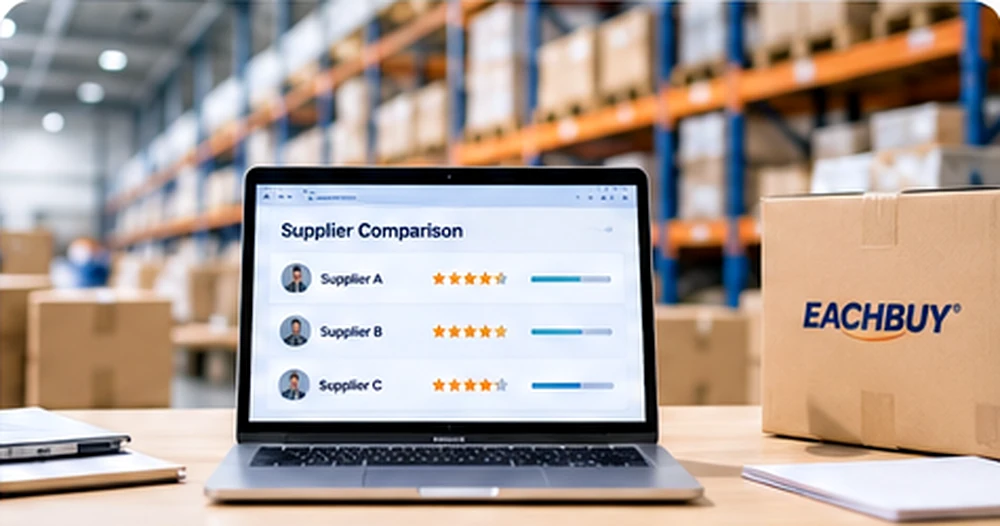
Supplier verification should combine document checks, facility and process evidence, product samples, commercial controls and a review of the manufacturer’s actual role. A polished website or a low quotation is not enough. Verify the legal entity you will contract with and confirm whether the site you inspect is the facility that will make your goods.
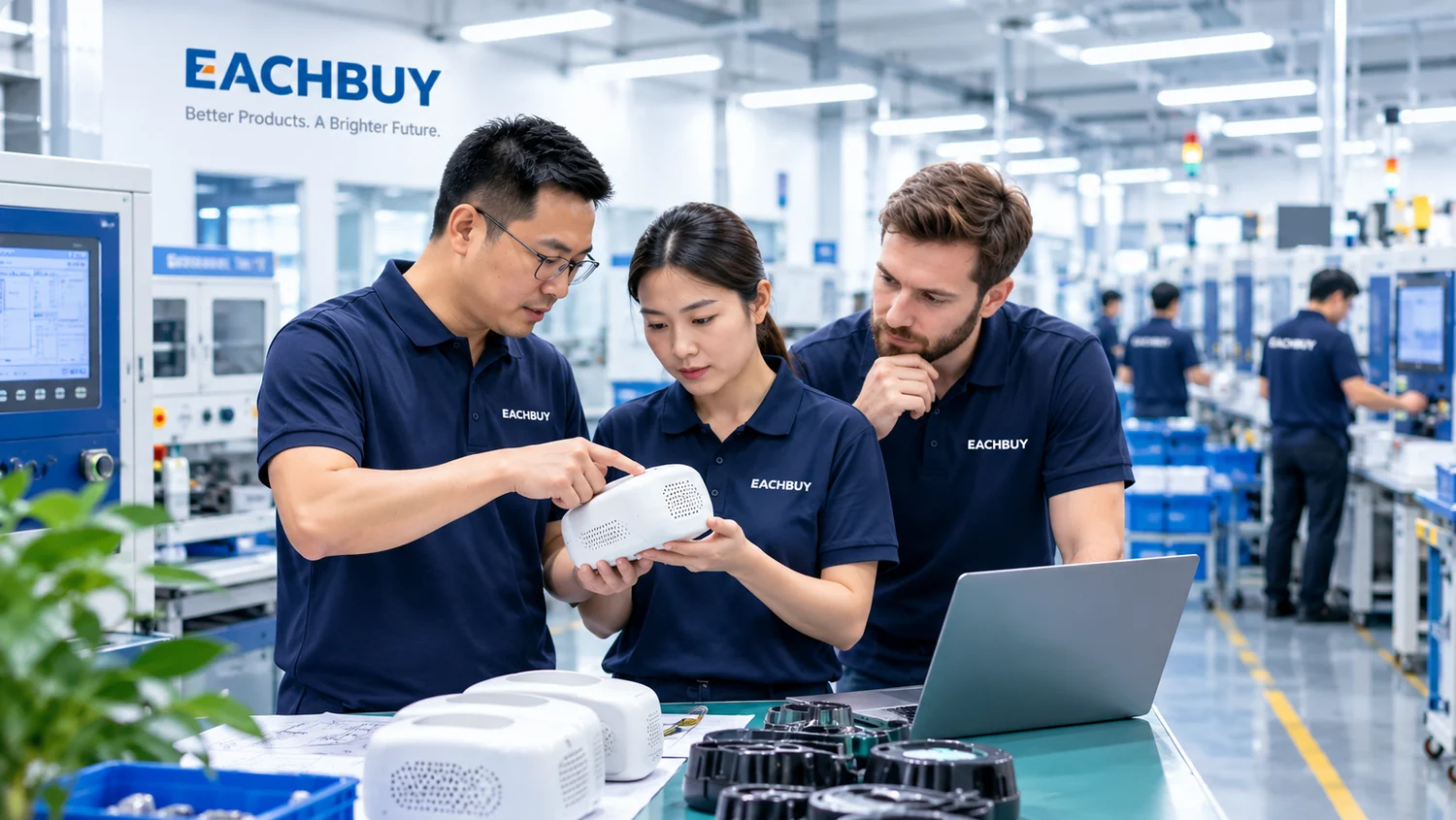
1. Confirm the legal entity
Request the supplier’s registered company name in Chinese and English, business registration information, registered address and the name of the entity that will sign the contract and receive payment. Check consistency across the quotation, purchase contract, invoice, bank beneficiary and export documents. If the factory operates through an affiliated trading or export company, ask for the relationship to be explained.
For cross-border transactions, use independent verification and, where appropriate, local professional support. A document provided by a supplier is a starting point for verification, not proof that every claim is true.
2. Understand what the supplier actually does
Ask whether the supplier is a manufacturer, trading company, assembler or a combination. Identify which processes are performed in-house and which are subcontracted: molding, machining, PCB assembly, surface treatment, testing, packaging or final assembly. Subcontracting is not automatically a problem, but the buyer should know where important production steps take place and how quality is controlled across them.
3. Match capability to your product
Look for relevant process capability, not generic factory size. A factory that assembles simple plastic products may not be suitable for a product requiring precision electronics, waterproofing, battery management or complex testing. Ask for examples of comparable processes and discuss critical tolerances, special materials, equipment, skilled labor and expected capacity.
4. Review quality controls and records
- Incoming material identification and inspection.
- Work instructions and process controls at important production steps.
- Calibration and maintenance records for measurement equipment.
- Traceability for batches or critical components where relevant.
- Functional testing and final inspection criteria.
- Defect recording, root-cause analysis and corrective-action follow-up.
Ask to see an example of a quality record with confidential customer details removed. The goal is to understand whether controls are documented and used, not simply whether the supplier has a certificate on the wall.
5. Use a sample to test product understanding
A sample reveals how well the supplier interprets the specification. Check materials, dimensions, finish, function, packaging and included parts against your written requirements. Ask the factory to identify any substitutions or deviations. If a sample is approved, label its version and record what must remain unchanged in mass production.
6. Verify commercial and payment controls
- Confirm the contracting entity and payment beneficiary.
- Use written bank details and independently verify any change request through a known contact channel.
- Break out sample, tooling, unit price, packaging, testing and freight-related costs.
- Review MOQ, lead time, payment schedule, delivery terms and remedies for nonconformance.
- Clarify tooling storage, ownership, maintenance and transfer rights.
7. Plan a facility visit or remote audit carefully
A live video walkthrough can help confirm the site, machinery and production flow, but it does not replace a documented audit when project risk requires one. For a visit, plan which processes to observe, which records to review, who should attend and which findings require corrective action. Record the date and scope so a buyer does not overstate what the audit covered.
Supplier verification scorecard
| Area | Evidence | Decision note |
|---|---|---|
| Identity | Registration, address, contracting entity | Is the legal counterparty clear? |
| Product fit | Relevant process, equipment and sample | Can this site make the required product? |
| Quality | Inspection criteria, testing records, corrective actions | Are important controls documented? |
| Capacity | People, shifts, production plan and critical suppliers | Is proposed capacity realistic? |
| Commercial | Quote, contract, payment beneficiary and delivery terms | Are risks and responsibilities clear? |
Market-specific compliance is a separate workstream
Factory verification does not replace product testing, certification or importer obligations. Requirements depend on product type, destination market, intended user and applicable rules. For example, U.S. CPSC guidance notes that certificate and eFiling requirements for many regulated consumer products changed in 2026. Check product-specific guidance and current importer obligations before shipment.
Official references: CPSC Certificates of Compliance guidance and CPSC general-use product testing and certification.
Frequently asked questions
Is a factory audit enough to approve a supplier?
No. A factory audit is one input. Also assess product fit, sample quality, commercial terms, legal identity, production planning and ongoing quality performance.
Should I pay a supplier before verifying the company?
Complete appropriate identity and payment checks before paying deposits. For higher-risk projects, use legal or trade due diligence support.
Can a sourcing partner verify a factory for me?
A sourcing partner can help coordinate research, document requests, visits and audit activities. Define the scope and evidence delivered, and use independent specialists when a formal audit or certification is required.
