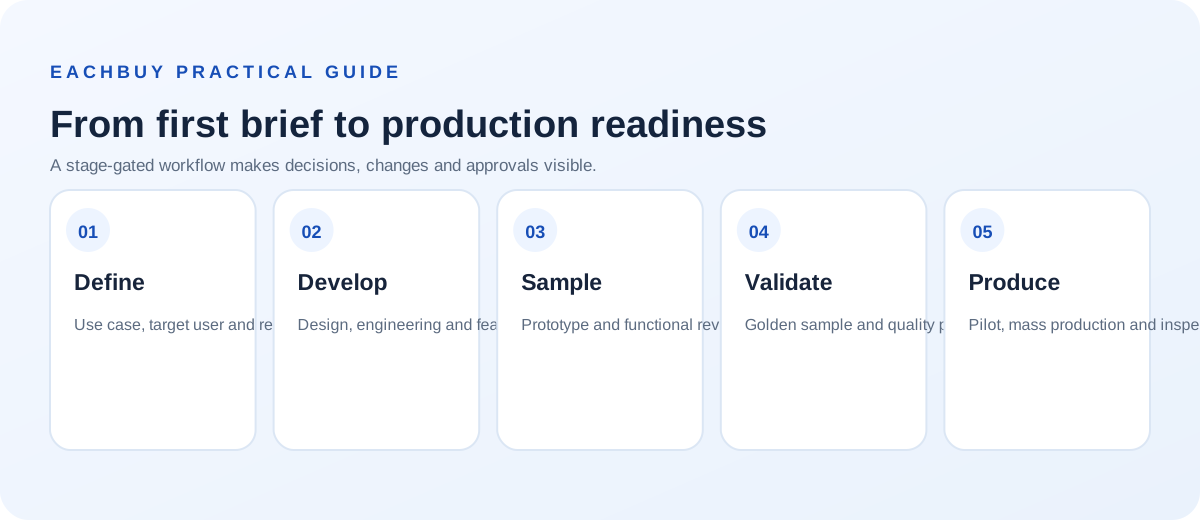
Moving from an idea to mass production is a sequence of decisions, not one factory quote. A typical project moves through a defined brief, feasibility review, design and engineering, sample iterations, approval of a reference sample, production preparation, quality checkpoints and delivery planning. The number of iterations and timing depend on product complexity.
Stage 1: Turn the idea into a clear brief
Start with the customer problem, intended user, use environment, must-have functions and target market. List the features that define the product and the details that can be adjusted. Include reference links or sketches, but annotate them so a supplier understands what should be retained, improved or avoided.
Identify commercial boundaries such as a target cost range, likely order size, packaging requirements and desired launch window. These are planning assumptions, not guaranteed outcomes. They help the team evaluate feasibility before investing in detailed development.
Stage 2: Check feasibility and product risks
Review whether the concept can be manufactured with available materials and processes. Consider component availability, assembly complexity, tooling, supplier capability, shipping constraints, product safety and market-specific requirements. A product that looks simple can contain hidden complexity in tolerances, waterproofing, battery systems, adhesives or software.
Build a risk list with three columns: issue, potential impact and next validation step. A new enclosure material may need a heat or impact test; a wireless feature may need technical and regulatory review; a custom mold may need a separate ownership and maintenance agreement.
Stage 3: Develop design and engineering details
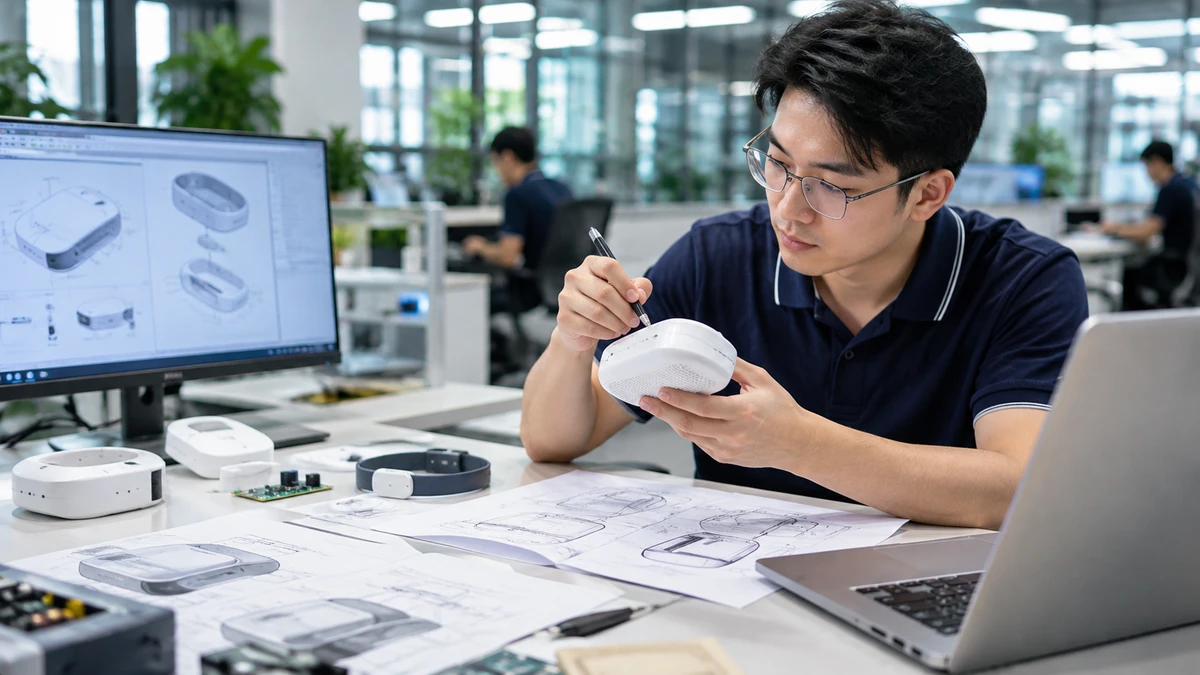
Convert the brief into drawings, CAD, bills of materials, dimensions, materials and functional requirements. Decide which components are standard and which are custom. Ask suppliers to highlight assumptions, production limitations and design-for-manufacturability suggestions. Do not allow a cost-saving substitution to change a required function or safety characteristic without written approval.
Stage 4: Prototype and review samples
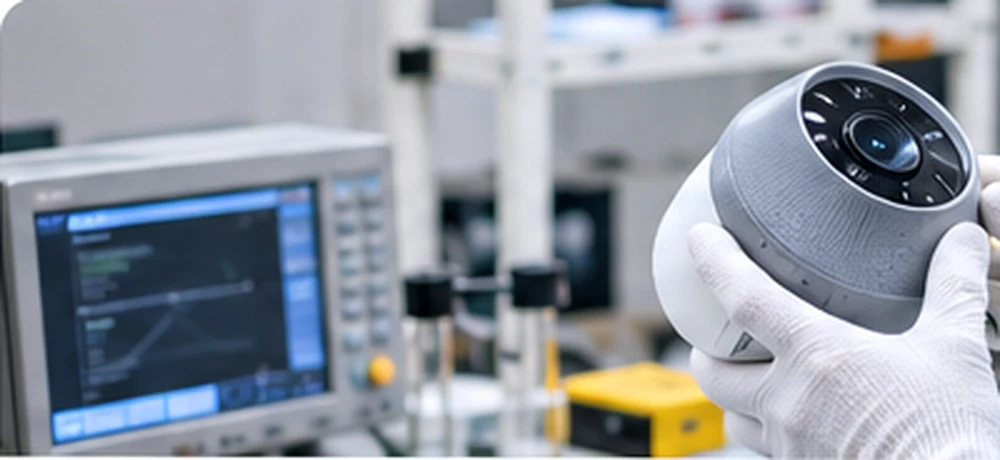
Use prototypes to answer specific questions: Does the form factor work? Are controls intuitive? Does it fit the intended environment? Are parts accessible for assembly or maintenance? Do materials and finishes meet expectations? A sample review should produce a written change list rather than a general approval such as “looks good”.
For each iteration, record the version, date, changes, unresolved issues and decision owner. When a sample meets requirements, identify it as the approved reference sample and make sure supplier and buyer teams refer to the same version.
Stage 5: Prepare for production
Before mass production, align the bill of materials, approved drawings, packaging artwork, inspection plan, labels, work instructions and acceptance criteria. Confirm who approves substitutions and how engineering changes are communicated. Consider whether a pilot or pre-production run is appropriate for the product’s complexity and risk.
Stage 6: Monitor production and plan shipment
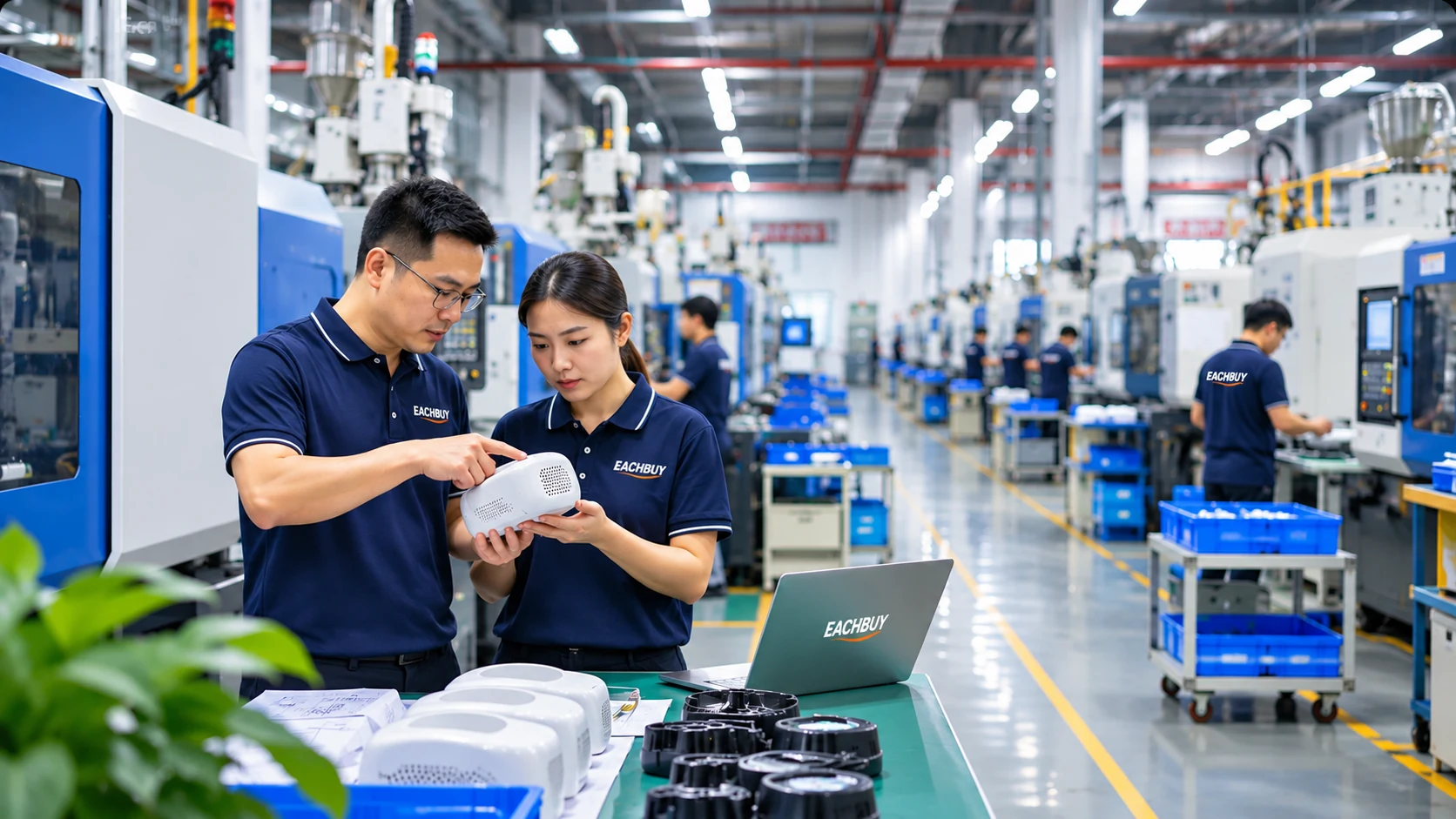
Agree production milestones and quality checkpoints. Typical checkpoints may include incoming material review, first-article review, in-process checks and final inspection. The appropriate plan depends on product risk, process capability, batch size and the consequences of failure.
Shipping should be planned before goods are finished. Confirm carton dimensions and weights, palletization if applicable, labeling responsibilities, freight booking, customs documents, insurance and final delivery instructions. For Amazon FBA, verify the current Seller Central shipment and preparation requirements for the destination marketplace.
Common reasons development projects slow down
- The brief changes after quotations are requested.
- Suppliers quote different materials or product configurations.
- Sample comments are verbal and not recorded.
- Tooling or intellectual-property responsibilities are unclear.
- Compliance or testing requirements are considered only after the sample is complete.
- Packaging and delivery requirements are left until the production deadline.
Frequently asked questions
How long does product development take?
There is no reliable universal timeline. Complexity, tooling, component availability, testing, sample iterations and supplier workload all affect the schedule. Ask for milestone estimates after the brief and feasibility review.
When should I pay for tooling?
Before authorizing tooling, confirm the design, ownership, permitted use, storage, maintenance, modification rights and what happens if the supplier relationship ends. Record these terms in the contract.
Can the same factory develop and manufacture the product?
Sometimes. Other projects use separate design, component and assembly partners. The key is to coordinate specifications, responsibility, sample approvals and change control across all parties.